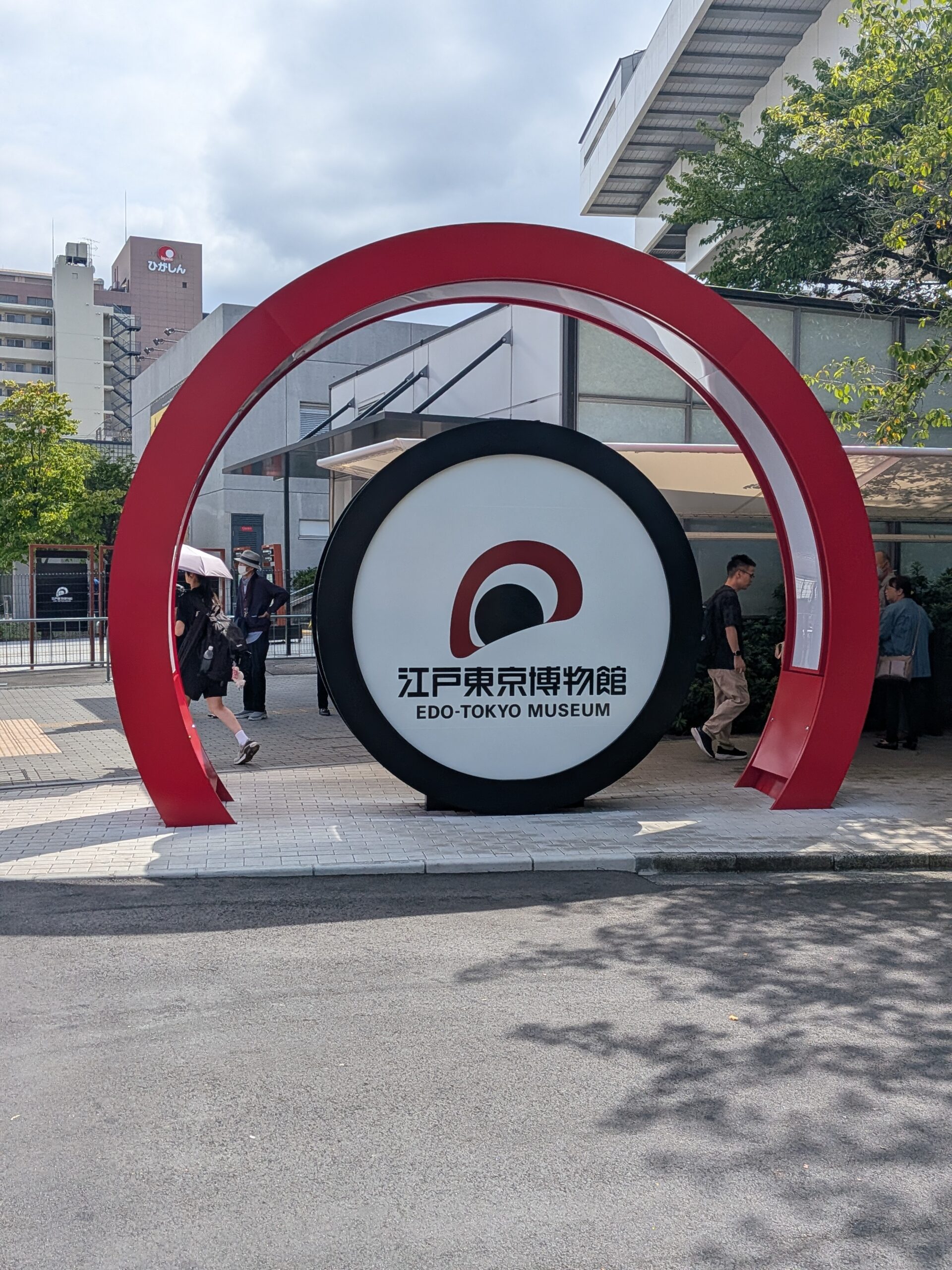
If you are interested in Tokyo’s history, traditional Japanese culture, or the Edo period, the Edo-Tokyo Museum in Ryogoku is one of the most interesting museums to visit in Tokyo.
I visited the newly renovated Edo-Tokyo Museum on a weekend in September 2026.
The museum reopened on March 31, 2026 after being closed for about four years for major renovations.
I had visited the museum before the renovation, so I was especially interested to see how it had changed.
My overall impression?
Yes, the Edo-Tokyo Museum is absolutely worth visiting — especially if you want to understand how Tokyo developed from the Edo period into the modern city we know today.
However, the museum is much larger than it may look from the outside, and weekend crowds can make it difficult to see everything quickly.
In this guide, I will share:
- What the Edo-Tokyo Museum is like after the 2026 reopening
- How crowded it was on a weekend
- How much time you should allow
- The exhibits I found most interesting
- Why Ryogoku is worth exploring together with the museum
- Practical information for international visitors
Planning to Visit Several Museums in Tokyo?
If you are planning to visit the Edo-Tokyo Museum together with other museums and cultural attractions in Tokyo, the Tokyo Museum Grutto Pass may be worth checking before your visit.
It is designed for travelers visiting multiple participating museums, so it can be more useful than buying separate tickets if you are planning a museum-focused Tokyo itinerary.
Check the Tokyo Museum Grutto Pass on KKday
- What Is the Edo-Tokyo Museum?
- The Museum Reopened in 2026 After a Four-Year Renovation
- Ryogoku Feels Different From Central Tokyo
- Walking Into Edo-Era Tokyo
- Some Exhibits Are Interactive
- You Can Follow Tokyo From Edo to the Modern Era
- How Crowded Is the Edo-Tokyo Museum?
- How Much Time Do You Need?
- Is the Edo-Tokyo Museum Worth Visiting If You Don’t Know Japanese History?
- Who Will Enjoy the Edo-Tokyo Museum?
- Combine the Museum With Ryogoku Kokugikan
- Edo-Tokyo Museum Admission and Opening Hours
- Temporary Exhibitions Change Throughout the Year
- Should You Buy the Tokyo Museum Grutto Pass?
- Another Recommendation: Edo-Tokyo Open Air Architectural Museum
- My Final Verdict: Is the Edo-Tokyo Museum Worth Visiting?
What Is the Edo-Tokyo Museum?
The Edo-Tokyo Museum is located in Ryogoku, an area of Tokyo best known as the center of professional sumo wrestling.
The museum explores the history of Tokyo from the Edo period through the Meiji, Showa and modern eras.
Its permanent exhibition spans approximately 9,000 square meters across the fifth and sixth floors.
Rather than simply displaying historical objects behind glass, the museum uses full-scale reconstructions, detailed miniature models and everyday objects to show how people actually lived in Edo and Tokyo.
This is what makes the museum especially enjoyable.
You do not need to be a Japanese history expert to appreciate it.
Even if you know very little about the Edo period before visiting, the large models and recreated environments make it much easier to imagine what Tokyo looked and felt like centuries ago.
The Museum Reopened in 2026 After a Four-Year Renovation
The Edo-Tokyo Museum originally opened in 1993.
It closed in April 2022 for its first major renovation in roughly 30 years and reopened on March 31, 2026.
According to the museum, the renovation improved both the exhibition environment and visitor experience.
I had visited before the renovation, and although I cannot remember every individual display from my previous visit, the museum felt more substantial and polished this time.
The basic appeal remains the same: you move through Tokyo’s history as the exhibition gradually progresses from Edo into modern Tokyo.
For visitors who have been here before, I think the reopening gives you a good reason to return.
Ryogoku Feels Different From Central Tokyo
One of the best parts of visiting the Edo-Tokyo Museum is the location.
Ryogoku is strongly associated with sumo wrestling.
Even before entering the museum, you start to feel that atmosphere.
Near Ryogoku Station, there are sumo-themed displays and decorations, and Ryogoku Kokugikan — Tokyo’s main sumo arena — is very close to the museum.
When I visited, there was no major sumo tournament taking place, but simply walking past the arena made the area feel different from places such as Shibuya, Shinjuku or Ginza.
For international visitors, I think this makes Ryogoku particularly appealing.
You can experience two sides of Japanese culture in one area:
sumo and Tokyo history.
Walking Into Edo-Era Tokyo
The Edo-period section was one of the highlights of my visit.
Instead of simply reading about Edo-period life, you can see detailed models of streets, buildings and communities.
The museum also includes a full-scale reconstruction of Nihonbashi Bridge.
Nihonbashi was historically one of the most important points in Edo, and seeing it recreated at full scale immediately makes the exhibition feel much more immersive.
For me, this is much more memorable than reading a textbook explanation.
You can look closely at how buildings were arranged, how shops operated and how ordinary people lived.
The miniature city models are particularly impressive.
I found myself stopping to look at tiny details such as:
- people working in shops
- street activity
- the layout of houses
- traditional clothing
- how crowded Edo streets may have felt
If you enjoy miniature models, you can easily spend a surprising amount of time here.
Some Exhibits Are Interactive
Another feature I enjoyed was that not everything is designed to be viewed from a distance.
Some reconstructed objects can be touched or handled.
During my visit, for example, I was able to hold a recreated matoi, a traditional standard used by Edo-period firefighters.
Experiences like this help make the museum feel more approachable.
Instead of thinking only about historical facts, you can experience the size and weight of objects that people actually used.
This can also make the museum a good option for families traveling with children.
Interactive exhibits may change, so check the signs inside the museum before touching or using anything.
You Can Follow Tokyo From Edo to the Modern Era
One reason I recommend this museum to first-time visitors to Japan is that the story does not end with the Edo period.
As you continue through the exhibition, the timeline gradually moves forward:
Edo → Meiji → Showa → modern Tokyo
This makes it easier to understand how Tokyo transformed from a traditional castle town into one of the world’s largest modern cities.
For overseas visitors, this historical progression can be especially useful.
Many tourists see modern Tokyo first — skyscrapers, trains, electronics and busy neighborhoods — but the museum gives context to how that city developed.
I found this transition from historical Edo into increasingly familiar modern life one of the most interesting parts of the museum.
How Crowded Is the Edo-Tokyo Museum?
I visited on a weekend in September 2026.
The museum was busy.
Popular models and exhibits attracted groups of people, and there were times when I had to wait briefly before getting close enough to read information or take a good look.
However, the museum itself is very large.
It did not feel like the kind of crowd where you could barely move.
The main issue was that seeing detailed exhibits took longer because other visitors were also stopping to look closely.
If you prefer a quieter experience, visiting on a weekday or shortly after opening is likely the better option.
My experience represents one weekend visit, so crowd levels will obviously vary depending on the season, exhibitions and holidays.
How Much Time Do You Need?
This is not a museum I would recommend squeezing into a short gap in your itinerary.
The permanent exhibition alone covers around 9,000 square meters.
If you simply walk through and focus only on the main exhibits, you can obviously move faster.
But if you want to:
- read the explanations
- look closely at the miniature models
- try interactive exhibits
- take photographs where allowed
- visit temporary exhibitions
you should allow several hours.
For international visitors, I would personally recommend planning the museum as one of the main activities of your morning or afternoon rather than treating it as a quick stop.
Is the Edo-Tokyo Museum Worth Visiting If You Don’t Know Japanese History?
Yes.
In fact, I think this is one of the museum’s strengths.
The full-scale reconstructions and miniature models make the exhibition understandable even if you do not have a detailed background in Japanese history.
You can visually understand things such as:
- how people lived
- how streets were organized
- what traditional shops looked like
- how Tokyo changed over time
That makes the museum much easier to enjoy than a museum that relies almost entirely on long historical explanations.
If you are interested in Japan but are not a serious history enthusiast, I would still recommend it.
Who Will Enjoy the Edo-Tokyo Museum?
I think the museum is particularly suitable for:
- First-time visitors to Tokyo
- Travelers interested in the Edo period
- Visitors interested in Japanese culture and history
- Families with children
- People who enjoy miniature models
- Travelers planning to visit Ryogoku or a sumo tournament
- Repeat visitors to Tokyo looking for something beyond Shibuya and Shinjuku
If your Tokyo itinerary is already focused heavily on shopping and modern attractions, the Edo-Tokyo Museum can provide a completely different perspective on the city.
Combine the Museum With Ryogoku Kokugikan
I strongly recommend spending some time walking around Ryogoku rather than visiting only the museum.
Ryogoku Kokugikan is located nearby and is Japan’s most famous sumo arena.
Even when there is no tournament taking place, the area has a distinctive sumo atmosphere.
A simple itinerary could be:
Ryogoku Station → Ryogoku Kokugikan → Edo-Tokyo Museum
If you are visiting during a major sumo tournament, the area will feel even more lively.
You could also combine Ryogoku with nearby areas such as Asakusa or Tokyo Skytree.
For international tourists with limited time in Tokyo, this makes the museum relatively easy to fit into a sightseeing day.
Edo-Tokyo Museum Admission and Opening Hours
As of 2026, the standard permanent exhibition admission fee is:
| Visitor | Admission |
|---|---|
| Adult | ¥800 |
| Age 65+ | ¥400 |
| University student | ¥480 |
| High school student | ¥300 |
| Junior high school age and under | Free |
The museum’s regular opening hours are:
9:30 AM – 5:30 PM
On Saturdays:
9:30 AM – 7:30 PM
Last admission is 30 minutes before closing.
The museum is normally closed on Mondays. If Monday is a national holiday, the museum generally closes on the following weekday instead.
Opening hours, exhibitions and admission fees can change, so I recommend checking the official Edo-Tokyo Museum website shortly before your visit.
Temporary Exhibitions Change Throughout the Year
In addition to the permanent exhibition, the Edo-Tokyo Museum also hosts temporary and special exhibitions.
These change throughout the year.
Because of this, two visits to the museum can offer somewhat different experiences.
If there is a special exhibition you are particularly interested in, check the official exhibition schedule before visiting.
Should You Buy the Tokyo Museum Grutto Pass?
If the Edo-Tokyo Museum is not the only museum you plan to visit in Tokyo, the Tokyo Museum Grutto Pass may be worth considering.
Rather than buying separate tickets for every museum, the pass can be useful for travelers who plan to visit several participating museums and cultural attractions during the same trip.
For example, you could combine the Edo-Tokyo Museum with other cultural attractions in Tokyo, such as the Sumida Hokusai Museum or the Edo-Tokyo Open Air Architectural Museum.
Before buying, I recommend checking the latest list of participating facilities and comparing the total admission fees with the price of the pass. If you only plan to visit the Edo-Tokyo Museum, buying an individual admission ticket may be the better option.
Check the Tokyo Museum Grutto Pass on KKday
Another Recommendation: Edo-Tokyo Open Air Architectural Museum
If you enjoy the Edo-Tokyo Museum, another place worth considering is the Edo-Tokyo Open Air Architectural Museum in western Tokyo.
I have visited it twice.
While the Edo-Tokyo Museum uses models and reconstructed exhibitions to explain history, the Open Air Architectural Museum allows you to walk through actual relocated and restored historical buildings.
You can enter old houses, shops and even a traditional public bathhouse.
The two museums offer very different experiences, so history and architecture fans may enjoy visiting both.
My Final Verdict: Is the Edo-Tokyo Museum Worth Visiting?
Yes.
After visiting the newly reopened Edo-Tokyo Museum in September 2026, I think it is one of the better museums in Tokyo for visitors who want to understand the city beyond its modern image.
The strongest point is the way the museum connects everyday life across different historical periods.
You begin with Edo-era streets and traditional lifestyles and gradually move toward the Tokyo we recognize today.
I also enjoyed the fact that the museum includes detailed models, full-scale reconstructions and interactive elements rather than relying entirely on written explanations.
The main thing to keep in mind is time.
The museum is large, and on weekends popular exhibits can become crowded.
If you want to explore it properly, give yourself plenty of time.
For travelers interested in Japanese history, sumo culture or the story of Tokyo itself, I think the Edo-Tokyo Museum is well worth adding to a Tokyo itinerary.